
Hidden in Plain Sight: The Cost Crisis in Women’s Healthcare
Women have to navigate the fragmented system with very little support, coordinating between providers and often interpreting conflicting guidance.
Women have to navigate the fragmented system with very little support, coordinating between providers and often interpreting conflicting guidance.

For most of human history, cellular aging was treated as biologically fixed, an inevitable accumulation of damage with no meaningful pathway to reversal. That assumption is no longer tenable.

Healthcare decision-makers, especially at pharmaceutical companies, must prioritize patient input. Data collected from social media listening is a significant step in the right direction.

All of us can see glaring issues with the healthcare system that need to be addressed — but system-level change is hard. The leap to VBC isn’t easy, but the results are undeniable.

A systemic change from FFS to VBC would represent more than a payment model switch, but rather a holistic transition toward patient-centered healthcare that prioritizes outcomes over activity.

It’s tragic that it takes a shooter, aggravated by his back pain and frustrated with the healthcare system, to spark a necessary conversation about healthcare.

As the healthcare evolves toward service-based models, providers increasingly look to balance service delivery demands while keeping their core medical values without yielding to an overburdened system's pressures.


In an interview, Kyan Health Co-Founder and Chief Commercial Officer Konstantin Struck discussed how Kyan gives mid-market and enterprise employers access to premium workforce mental healthcare, at a price point that is affordable.

In aggregate, value based care has yet to produce the consistent, positive results that we seek. But VBC’s slow start is actually a reflection of the difficulty of transitioning away from our entrenched healthcare compensation system.
Although many employers and consumers don't understand the difference between value-based care and fee-for-service, most are in favor of value-based care after being given the definition, a new survey found.

The average income of a traditional Medicare enrollee is $85,085, versus $76,720 for a Medicare Advantage enrollee, according to a whitepaper done in partnership between Harvard Medical School and software solutions company Inovalon.

Experts argued that value-based care is here to stay and will play a major role in the future of healthcare during MedCity's Invest conference in Chicago. A panel of four agreed that the success of value-based care depends on organizational commitment — it’s a quixotic mistake to think these alternative payment models can gain traction overnight.


We have the opportunity to design systems that give people greater capacity for the work where human presence matters most: listening, understanding, reassuring, deciding, and caring.

A shift from fee-for-service payment models to value-based models is not an effective way to address the severe financial pressures that safety net hospitals are facing, experts argued at the HIMSS conference in Chicago. One called for a paradigmatic shift “away from cost savings and toward understanding where investments are needed.”
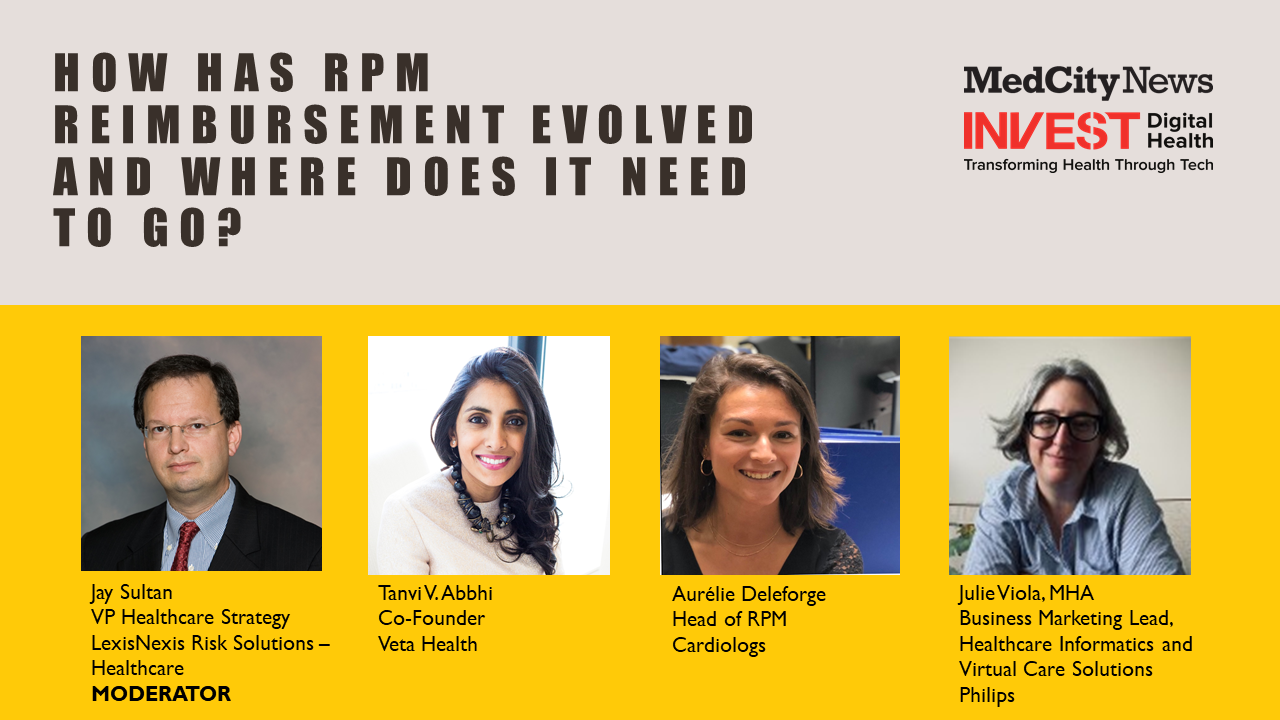
The reimbursement model for remote patient monitoring needs to evolve as it may be holding providers back from investing in these programs, according to panelists at the MedCity INVEST Digital Health conference. Key issues with the structure as it stands now include the fact that there are too many gray areas that result in claims denials.

CMS has finalized changes to the Physician Self-Referral Law, also known as Stark Law. Healthcare law experts say that these changes will generally make it easier for hospitals and physicians to remain in compliance with the statute.

During a presentation at the World Congress Integrated Delivery Systems Summit last week, NextGen Healthcare's Bruno Nardone took a closer look at today's value-based care environment.

What does the future of value-based care look like, and how does technology tie in? A new survey from Quest Diagnostics and Inovalon takes a closer look.